How to Start a Clinic or Diagnostic Center in Bangladesh
A practical Bangladesh launch guide covering DGHS licensing basics, premises, doctors, fees, reception workflow, and day-one clinic systems.
ChamberBD Editorial Team
· 6 min read
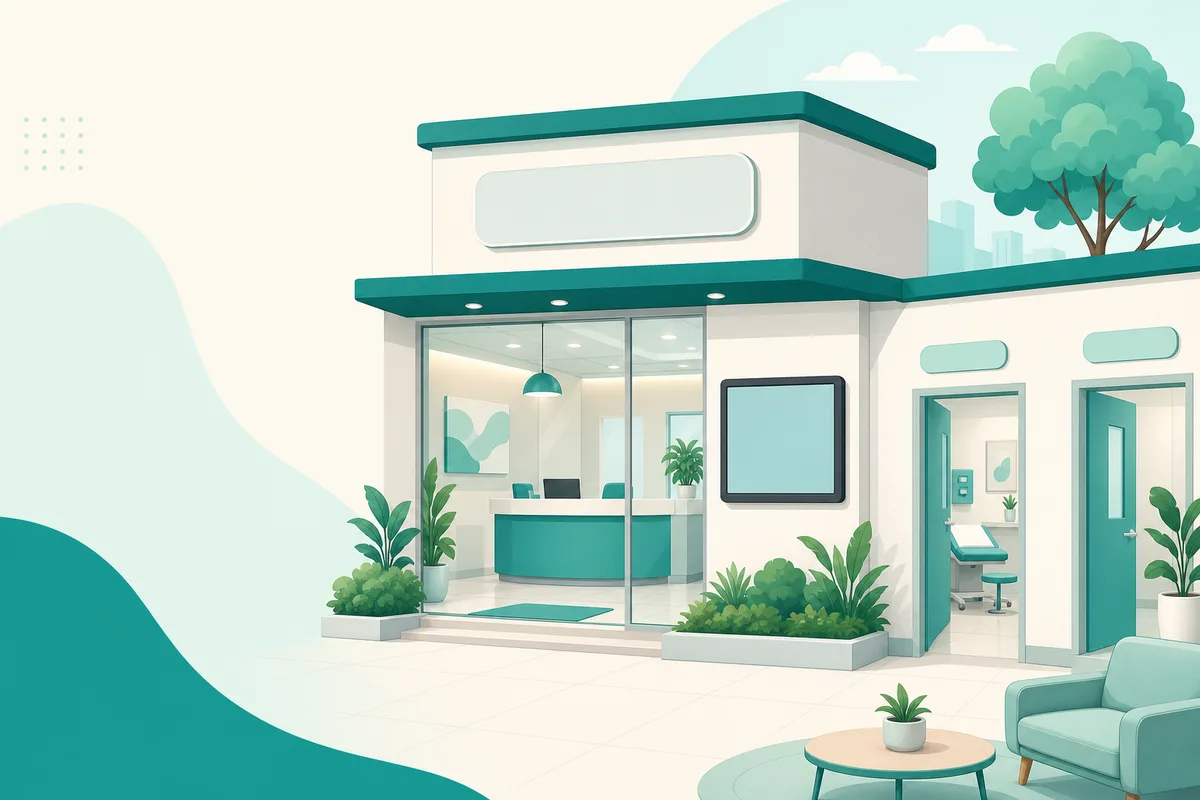
If you are researching how to start a clinic or diagnostic center in Bangladesh, the first thing to understand is that this is not only a medical project. It is also an operations project: licensing, location, doctor scheduling, patient flow, cash handling, prescriptions, reporting, and staff discipline all have to work together from day one.
Many clinic owners begin with a few visiting doctors, a reception desk, and basic tests or physiotherapy services. That can work, but only if the clinic is designed around the local workflow: patients asking for serials, doctors sitting at different times, varying consultation fees, revenue sharing, and the need for clear records in Bangla and English.
This guide gives a practical launch checklist for Bangladesh-focused clinics, diagnostic centers, and physiotherapy centers. It is not legal advice. DGHS and local authority requirements can change, so always verify the current rules directly with the relevant government office or a qualified consultant before you rent, renovate, or start operating.
How to start a clinic or diagnostic center in Bangladesh: first decisions
Before you spend money on premises or equipment, define exactly what you are launching. A small chamber-style clinic, a multi-doctor outpatient clinic, a physiotherapy center, and a diagnostic center have different cost structures and regulatory needs.
Start with these decisions:
- Service type: consultation only, consultation plus minor procedures, physiotherapy, pathology sample collection, imaging, or full diagnostic services.
- Doctor model: owner-doctor, visiting consultants, part-time doctors, or a mixed panel.
- Patient segment: family medicine, women and child care, diabetes follow-up, orthopedics, physiotherapy, dental, or general outpatient care.
- Location strategy: residential area, bazar/market area, near a hospital, near pharmacies, or close to transport routes.
- Operating hours: morning, evening, Friday service, or full-day reception.
These choices affect layout, staffing, rent, licensing steps, equipment, fees, and your software setup. For example, a visiting-doctor clinic needs strong serial/token management and doctor-wise revenue reporting. A physiotherapy center needs appointment tracking and package follow-up. A diagnostic center needs sample, invoice, and delivery discipline.
DGHS licensing basics and compliance preparation
In Bangladesh, clinics, hospitals, diagnostic centers, and related health facilities generally require approval or licensing from the relevant health authority, commonly involving DGHS processes. The exact documents, categories, inspection requirements, renewal process, and standards depend on the type of facility and current government rules. Do not rely on old Facebook posts or another clinic owner’s memory; verify the latest requirements before launch.
A practical compliance preparation list includes:
- Confirm the correct facility category for your services.
- Check current DGHS licensing requirements and renewal rules.
- Prepare trade license, tax-related documents, tenancy agreement or ownership papers, and other required business documents as applicable.
- Keep doctor, nurse, technician, and staff credential documents organized.
- Ensure biomedical waste, safety, infection control, and patient privacy practices are planned.
- Keep equipment purchase records, calibration/service records where relevant, and supplier documents.
- Plan visible signage, patient waiting areas, washroom access, and emergency arrangements according to applicable guidance.
If your center will provide diagnostic tests, imaging, or procedures, be extra careful. Equipment, technical manpower, reporting responsibility, and safety expectations can be more demanding than a consultation-only setup. A pre-opening compliance file, both physical and digital, will save time during inspection or renewal.
Premises, layout, and patient movement
A good clinic layout reduces confusion and arguments. In Bangladesh, many patient complaints start at reception: Who came first? Which doctor is sitting? How much is the fee? When will my report be ready? Your premises should make these answers easy.
Plan the space around movement:
- Entrance and reception: visible front desk, clear fee list, and enough space for patients to queue.
- Waiting area: seating, fan/AC planning, drinking water if possible, and a screen or board for serials.
- Doctor rooms: privacy, examination couch if needed, handwashing/sanitizer arrangements, and printer access if prescriptions are printed.
- Sample collection or procedure room: separated from general waiting where possible, with hygiene controls.
- Physiotherapy area: enough space for equipment, patient privacy, and safe movement.
- Pharmacy or medicine corner: only if you are legally and operationally prepared for it.
- Accounts/admin corner: not necessarily big, but secure for cash, documents, and reports.
If you plan multiple visiting doctors, avoid designing only one perfect chamber and leaving the rest as afterthoughts. Each doctor room should have a predictable workflow: patient call, consultation, prescription, payment adjustment if required, and follow-up advice.
Also think about your signboard and address clarity. Patients in Bangladesh often arrive through phone directions, rickshaw/CNG references, Google Maps, or local landmarks. Make your address easy to communicate.
Recruiting visiting doctors and setting revenue share
For many new clinics, visiting doctors are the main driver of patient trust. But recruitment is not only about adding names to a board. You need a clear arrangement that protects both the doctor and the clinic.
Discuss these points before the first sitting day:
- Weekly schedule and expected arrival time.
- New patient fee, follow-up fee, report-showing fee, and any special visit-type fee.
- Whether the doctor allows appointments, walk-in serials, or both.
- Revenue share: percentage basis, fixed amount per patient, fixed chamber rent, or another agreed model.
- Prescription format: handwritten, printed, or e-prescription.
- Patient record access and confidentiality.
- Cancellation communication: who informs patients if the doctor is delayed or absent?
Put the arrangement in writing, even if it is simple. Misunderstandings over serials and payouts can damage relationships quickly. A system like ChamberBD Clinic can help because it tracks doctor-wise visits, fees, and revenue-share statements instead of leaving the calculation to handwritten notebooks.
When selecting doctors, consider fit with the local patient base. A famous specialist may bring reputation, but a reliable doctor who sits regularly and communicates well can be more valuable for a new neighborhood clinic.
Reception workflow, appointments, and patient records
Reception is the control room of a clinic. If reception is weak, doctors get interrupted, patients get angry, cash goes missing, and records become useless.
Design a simple day-one workflow:
- Patient arrives or calls.
- Reception selects doctor, visit type, and fee.
- System gives serial/token or appointment time.
- Patient pays according to your policy.
- Doctor sees the patient and writes prescription.
- Follow-up, test advice, or next visit instruction is recorded.
- Accounts and doctor share reports are updated.
For multi-doctor clinics, per-doctor queues are essential. One common mistake is using one combined serial book for all doctors. That creates confusion when one doctor is late, another is fast, or emergency/report patients are inserted manually. A live token board or clear calling process makes the waiting room calmer.
Patient records should be shared but controlled. Reception may need demographic and billing information; doctors need clinical history and prescription records; owners need reports. Not everyone should see or edit everything. Review clinic management features like roles, permissions, e-prescriptions, and doctor-wise queues when choosing your day-one system.
For Bangladesh, Bangla + English support matters. Patient names, medicine instructions, and local communication often need Bangla, while doctors may prefer English medical terms. ChamberBD Clinic includes Bangla and English UI and an e-prescription workflow backed by a large medicine catalog, which can reduce typing time for doctors.
Fee setting, invoices, expenses, and payroll
Set fees before opening, not during the first busy evening. Your fee policy should be clear enough that reception does not negotiate every case.
Define:
- New visit fee by doctor.
- Follow-up fee and validity period, if any.
- Report-showing fee, if applicable.
- Procedure, dressing, injection, or physiotherapy session fee.
- Discount authority: who can approve discounts and how they are recorded.
- Refund policy for doctor absence or patient cancellation.
Avoid hidden calculations. If a doctor has a different fee for new visits and follow-ups, the system should record visit type properly. If revenue share differs by doctor, keep it transparent. This prevents end-of-month disputes.
Also prepare basic financial discipline from the start:
- Daily cash closing.
- Invoice or money receipt for each paid service.
- Expense categories such as rent, salary, utilities, marketing, supplies, and maintenance.
- Staff attendance and leave tracking.
- Salary, advance, and payroll records.
Many clinics start with manual notebooks and later struggle to reconstruct accounts. It is better to implement a simple system early. ChamberBD Clinic supports expenses, invoices, staff attendance, payroll, advances, and doctor payout statements, which are common pain points for Bangladeshi clinic owners.
When budgeting software, check actual monthly affordability and scale. ChamberBD Clinic plans start from ৳500/month; you can review the current clinic software pricing before deciding.
Day-one systems checklist before opening
Your opening day should not be a trial of every process. Run a mock day with staff before real patients arrive. Ask one person to act as a patient, one as reception, one as doctor, and one as accounts.
Test these items:
- Add a new patient.
- Create serial/token for different doctors.
- Record different visit types and fees.
- Print or generate a prescription.
- Handle a follow-up patient.
- Cancel or move an appointment.
- Record an expense.
- Close daily cash.
- Generate doctor-wise visit and share report.
- Check user permissions for reception, doctor, manager, and owner.
Also prepare offline backup habits. Internet and power issues can happen. Decide what reception will do if the connection drops: temporary manual serial, later data entry, and a clear rule for avoiding duplicate invoices.
Train staff on patient communication. A polite receptionist who can explain serials, fees, doctor delays, and report timing is a major asset. Scripts help: “Sir, your serial is 12 under Dr. Rahman. Current serial is 7. Please stay near the waiting area.” Simple clarity reduces pressure.
Frequently asked questions
Do I need DGHS approval before opening a clinic or diagnostic center?
In most cases, health facilities in Bangladesh need appropriate approval or licensing before operation, but the exact requirement depends on your facility type and current rules. Verify directly with DGHS or a qualified licensing consultant before signing major commitments.
Should I start with visiting doctors or hire full-time doctors?
Visiting doctors are often practical for a new clinic because you can build a panel across specialties without full-time salary pressure. Full-time doctors may make sense if you have strong daily patient flow or a focused service model such as primary care or physiotherapy-led care.
What software should a new clinic use from day one?
Choose software that matches Bangladesh clinic workflow: per-doctor serials, visit-type fees, shared patient records, prescriptions, invoices, staff payroll, and doctor revenue share. It should be easy for reception and doctors to use, not only for the owner to view reports.
Starting a clinic is easier when your compliance file, premises, doctor agreements, reception workflow, and accounts are ready before the first patient arrives. If you want to test a Bangladesh-focused system before committing, you can start free trial for 14 days or see the live demo.
Run your clinic on autopilot
ChamberBD Clinic handles reception and the live token queue, e-prescriptions, doctor revenue-share and payroll — from ৳500/month, in বাংলা and English.